
Jenmon | Blogs
How to Inspect Webbing Slings Before Every Use
Apr
There is no shortcut to working with lifting equipment. Lifting is risky, and a minor error can result in a severe accident. That is why you should inspect your webbing slings prior to use.
A swift inspection does not take much time, yet it assists you in safeguarding your crew, your cargo, and your machinery. We will take you through what you should look at in order to lift safely on any occasion.
Why Webbing Sling Inspection Matters for Every Lift
You use webbing slings to help to haul heavy loads. In the case of failure, the loads will drop and may cause damage or injury. That’s something you definitely want to avoid at all costs.
Inspecting your slings helps minimise the risk of accidents during lifting. You also ensure that you observe safety standards at your workplace. Frequent checkups are not only a good practice in most industrial environments but a necessity.
Proper checks also help detect small problems in the early stages. Before the issue escalates, you can either repair or change the sling.
Understanding Webbing Sling Types and Applications
You ought to be aware of what you are dealing with before inspecting. There are various types of slings suitable for different lifting requirements.
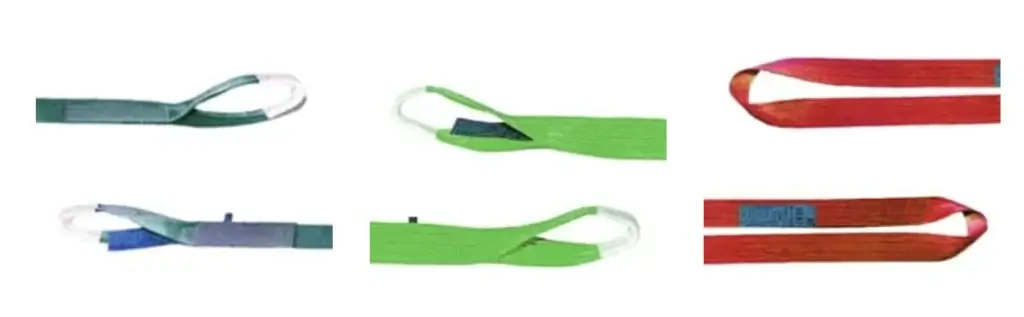
The slings used in general lifting include flat webbing slings and round slings. Web slings allow even distribution of loads across contact surfaces, while round slings are more flexible to navigate around irregular shapes and corners. Both kinds usually utilise polyester, which provides a robust yet lightweight alternative.
These are very versatile slings. They are applicable to a broad range of applications, including cargo work and heavy industrial lifting. They are also strong, yet it does not imply that they are eternal. You still have to check them before each lift.
Key Areas to Inspect Before Using Webbing Slings
An inspection does not necessarily have to be sophisticated. All you have to do is know how to check, what to check, and where to find it.
Check the Strap and Weave Condition
Begin with the strap. Feel your way along the surface and observe.
Inspect cuts, tears or fraying. In case you come upon broken fibres or broken weave, do not use the sling. The slightest damage may weaken it and affect its response to load.
Also, look for worn areas. If the surface appears thin or rough, the sling is not safe to use for lifting.
Examine the Sleeve and Load-Bearing Areas
Certain webbing slings are provided with a cover. This helps reduce wear, particularly when you are working on rough or sharp surfaces.
Test the sleeve to determine if it is damaged. When it appears worn or torn, it will not be able to cover the sling.
Be particularly keen on loading. The load-bearing areas are the heaviest and should therefore be maintained in good condition to support the required load.
Inspect Tags and Working Load Limit (WLL)
Every webbing sling must be tagged with its working load limit (WLL) or safe working load.
Ensure that you can read the tag. Without the label, which could be damaged, you cannot tell whether the sling fits your lifting requirements. In that case, don’t use it.
You can also ensure that the lift coincides with the sling setup. The wrong setup may reduce the sling’s capacity and pose a danger.
Look for Chemical or Heat Damage
Polyester slings may be affected by heat or chemicals.
Find any signs such as burns, melted fibres, or stiffness. These problems undermine the sling, rendering it insecure. Should you observe any of these, have the sling out of service immediately.
Best Practices for Safe Lifting Operations
Inspection is just one part of safe lifting. You also need to use the sling correctly.
- Always match the sling to the load. Check the weight and shape before you lift. This helps you choose the right sling and avoid overload.
- Avoid sharp edges when possible. You may not be able to fully eliminate them, but you can use proper protection to prevent damage to the sling.
- Adhere to the instructions of the manufacturer and supplier. They know how the product performs and what limits you should follow.
- Most importantly, handle all lifting equipment with care. Good handling keeps your slings in better condition for longer use.
When to Remove a Webbing Sling from Service
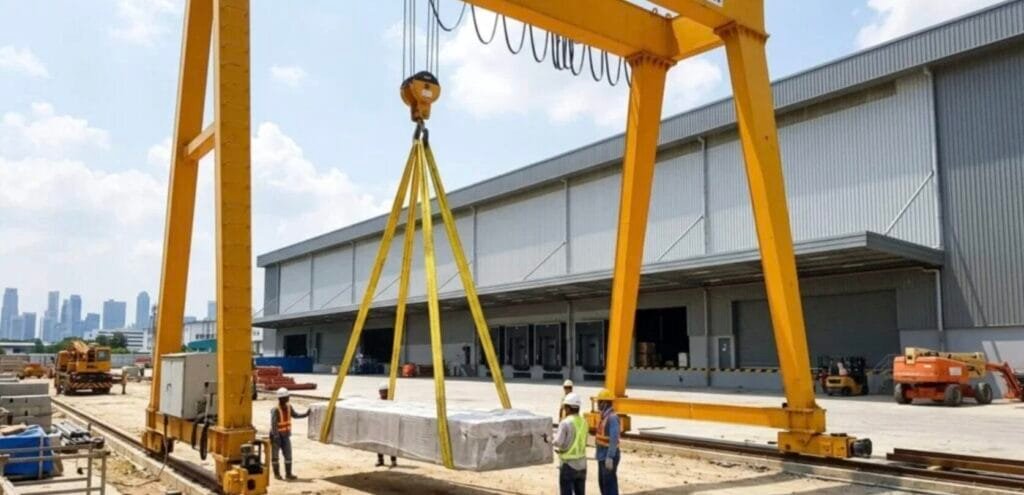
You should never take chances with damaged equipment.
Discontinue use of a webbing sling where there are cuts, burns or excessive wear. Additionally, do so in case the tag is lost or incomprehensible.
If the sling fails your inspection, don’t try to fix it yourself. Using a damaged sling puts everyone at risk. It’s always better to replace it and keep your lifting operations safe.
Choosing the Right Webbing Sling Supplier in Singapore
The quality of your slings starts with your supplier.
As long as you select a reputable manufacturer in Singapore, you will receive safe products. You also access the complete catalogue of lifting equipment, applicable to various applications.
A good supplier will also inform you on how to use, inspect and maintain such components. This assistance will make your operations safe and effective.
Conclusion
Checking your webbing slings before each lift is easy, and it matters. You keep your load, your team, and your gear safe.
By maintaining a regular inspection schedule and safety in lifting, you minimise risks and prevent expensive accidents. It is a small move that would provide long-term value.
Ensure Safer Lifting with Jenmon
Should you like a more detailed check-up or require some high-quality lifting equipment, we are at your service. At Jenmon, we offer the lifting solutions you need, with reliable products and professional advice.
Get in touch with us today and explore our full catalogue. Let’s keep your operations safe, efficient, and ready for every lift.
