
Jenmon | Blogs
Common Signs of Hoist Motor Wear and When to Replace
Apr
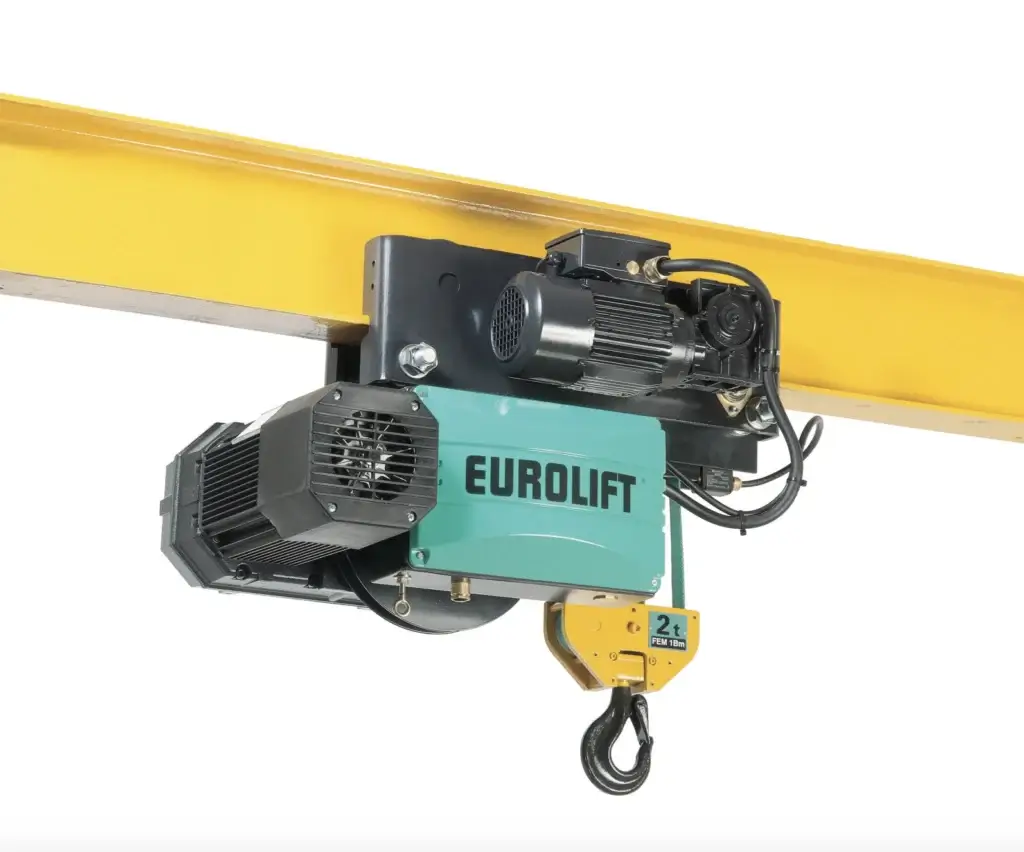
Your lifting system is closely tied to your hoist motor. It drives the hoist, lifts the load, and helps ensure safe operation. The motor is placed inside the hoist body, whether you are using a chain hoist or an electric hoist.
But like any mechanical machinery, it will not last forever. Wear accumulates over time, particularly in busy industrial environments. Missing the warning signs can lead to sudden breakdowns, unsafe lifting, and expensive downtime.
How can you tell when something is wrong? We will discuss the most common symptoms of hoist motor wear so you can take prompt action and keep your crane system reliable.
Unusual Noises from the Hoist Motor
You are more familiar with your equipment, so when your hoist begins to make strange noises, you should listen carefully.
A well-functioning motor will run quietly. It should not grind, strike, or buzz loudly. If you hear this, the motor may have worn internal parts. Mechanical components such as bearings or gears may be malfunctioning.
The noises from a chain hoist or electric hoist often indicate more serious problems within the hoist unit. If you do not pay attention to them, the issue can worsen over time.
You should switch off the operation and inspect the motor. A quick check can help prevent damage to other components, such as the chain, hook, or drum.
Reduced Lifting Speed and Performance
Did you notice that your hoist is slowing down? This is another obvious indicator of an issue.
A gradual hoist lift should still occur even when lifting the rated tonne load. If the lifting speed is slower than usual or feels weak, the motor may not be providing sufficient power.
This usually occurs when the motor is beginning to wear out. The drive system can no longer keep up, resulting in reduced lifting efficiency. Delays may also be observed when starting or stopping the hoist.
Do not ignore this. The speed is low, which affects productivity and may strain the entire crane system. You should examine the motor and control system before the problem escalates.
Overheating During Operation
One of the largest enemies of any electric motor is heat. If your hoist motor overheats during normal operation, something is wrong.
It is normal for the motor to feel slightly warm. However, if the motor becomes extremely hot, serious damage may occur. Overheating is often caused by improper ventilation, overload, or electrical defects.
Efficiency is lost when the motor overheats. Over time, it can damage internal parts and shorten the wear life of your equipment.
You are advised to remove the hoist from operation and allow it to cool down. Next, check the load, supply and maintenance records. This issue can often be prevented through regular maintenance, helping to maintain the reliability of your hoist.
Inconsistent or Jerky Movement
A smooth lift is a safe lift. When your hoist begins to move in a jumpy and irregular manner instead of smoothly, you must take immediate action.
This issue often occurs when the motor or drive system is worn out. You may observe intermittent stops, uneven acceleration, or a lack thereof, as well as poor control during lifting.
This can affect the load’s movement in both chain hoist and rope-based systems. It also strains the chain, rope and the suspension parts.
Jerky or unstable movement increases the risk of accidents. It may also wear out the hook, drum, or winch. Check the hoist unit and rectify the problem before it results in larger problems.
Visible Wear on Components and Connections
You do not always need to listen or feel for issues; you can also simply look.
Regularly test your hoist and check the chain, rope, hook, and drum. When you notice any wear, cracks, or damage, the system may already be under stress.
Other components are likely to be impacted by a worn motor. It may drag loosely or be too forceful when operating. This causes an additional burden on the system and accelerates wear.
You also need to examine how parts exist and bind together. Loose or broken connections may affect performance and safety. Periodic inspections help you spot these issues.
When to Replace Your Hoist Motor
So, when should you replace your hoist motor rather than repair it?
When you observe more than one of these signs, your motor might have reached the end of its life. The obvious indications of replacement include frequent breakdowns, expensive upkeep and low performance.
Safety and regulation are other factors you must consider. Your machines need to be of industry standards. If the motor you use cannot meet these requirements, you should not continue using it.
You can make a decision with the assistance of an experienced engineer. They can evaluate your hoist, its use, and its design. Then they can advise on the appropriate motor to use.
The new motor provides you with more control, speed, and a more reliable operation. It also helps you avoid unforeseen downtime.
Conclusion
Your hoist motor is busy each day. The wear will appear over time. However, when you know what to look for, you can catch it early and prevent more significant issues.
Sticky noise, lifting without hurry, heating up, uncontrolled movement and observable damage are all indicators of trouble. Don’t ignore them. Your equipment is safe and efficient due to regular maintenance and checks.
We can assist you if you are unsure about your hoist motor. At Jenmon, we repair, service and manufacture all forms of industrial hoist systems.
Contact us today, and we will assist you in maintaining the safety, durability and workability of your lifting equipment.
