
Uncategorized
What Are Manual Cranes and When Should You Use Them?
Oct
When you imagine moving heavy loads, you may envision motor-driven cranes. However, it is not always the case that more complex tools are required to do the job, which is where manual cranes can be used. These cranes do not use electricity or hydraulics. Instead, they rely on manual effort via gears, levers, or chain hoists to move and position lighter loads in a safe and controlled manner.
They are dependable, easy to maintain, and can be used in workplaces that require precision and control. Manual cranes make smaller lifting tasks easy and efficient, whether in workshops, depots, or small terminals.
What Are Manual Cranes?
Manual cranes rely on human power to move and lift materials. They belong to the larger crane family but operate using manual chain hoists connected to girders and rails to manipulate loads.
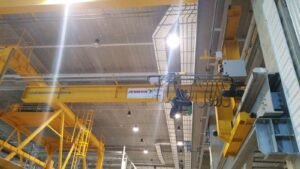
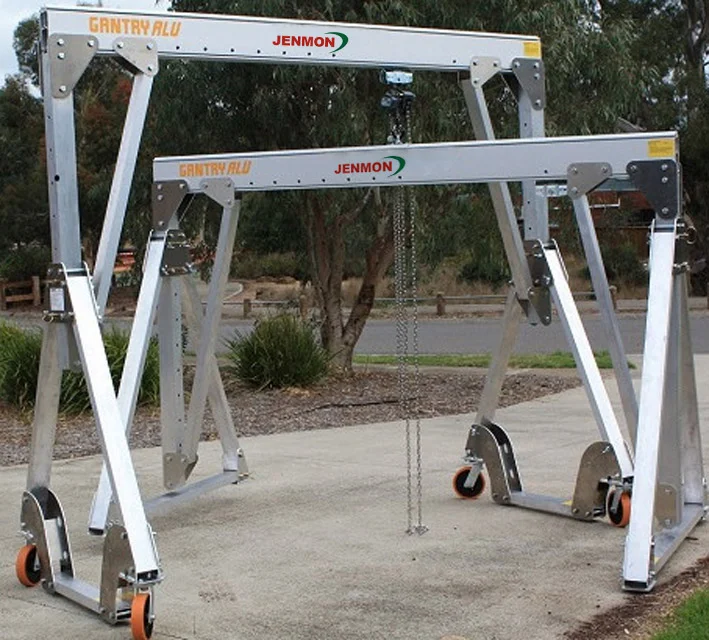
The most common types of manual cranes include manual overhead travelling cranes, portable gantry cranes, and jib cranes. All of them assist in lifting and positioning lighter loads without a power source. Such cranes are simple to install, need little maintenance, and can fit well in areas with limited space or electricity availability. They are not complex, but they are powerful and are designed for long-term durability.
When to Use Manual Cranes
1. When Power Sources Are Limited or Unavailable
Sometimes, your worksite doesn’t have easy access to electricity. In this case, manual overhead cranes become the best choice. They operate without motors, allowing you to safely lift and travel lighter loads anywhere, such as maintenance zones, small workshops, or medium-sized facilities.
You only need manual effort to control the hoist and crane movement. These cranes are ideal for remote areas or temporary setups where installing powered systems isn’t practical. They keep your lifting operations smooth and reliable, no matter where the job takes you.
2. When Handling Light to Moderate Loads
If you’re lifting lighter materials, manual cranes are ideal. They are designed for small-scale operations that require careful and controlled lifting without heavy machinery. They are often used in maintenance bays, repair shops and workplaces that specialise in assembly or inspection.
They help you position items precisely without overloading your lifting equipment. This setup gives you complete control while reducing unnecessary wear on parts. For companies that handle moderate load lifting daily, a manual crane provides just the right balance of power and precision.
3. When Precision and Control Are Important
Some lifting jobs need slow, steady movement instead of speed. That’s when a manual overhead travelling crane really shines. With full control over travel and load, you can move materials safely and accurately. The operator can easily adjust positioning without worrying about sudden jerks or overload issues. This precision makes them a smart choice for maintenance zones, small terminals, and other areas where accuracy matters.
4. When Maintenance and Cost-Efficiency Matter
All operators are aware that downtime impacts productivity. Manual crane maintenance is low-cost due to the simple design and fewer moving components. Designed for lighter loads, they deliver consistent lifting power without the high costs associated with automated or electrically driven equipment. Many manual cranes, such as those from Jenmon, are designed to meet ISO safety standards, so that you can have confidence in busy workplaces.
Suppose your operation is in small terminals where long-term reliability matters; these cranes offer excellent value.
Partner with Jenmon for Reliable Crane Solutions
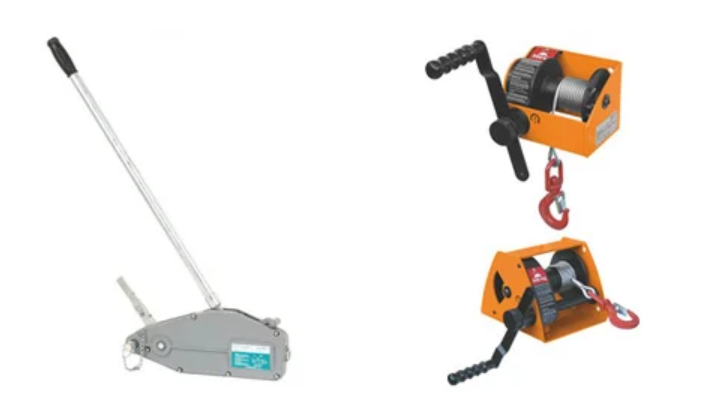
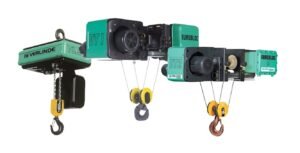
At Jenmon, we provide solutions to your lifting needs. As the only Authorised Agent of Verlinde in Singapore, we design and assemble overhead travelling cranes, single girder systems, and other manual crane options using high-quality Verlinde components tailored for your projects. From depots to terminals, our cranes are built for reliability and performance. We handle everything — from design to installation, testing, and commissioning. Our 24/7 after-sales team is always ready to assist with repair and maintenance so your operations never stop.
Conclusion
Simple as they may appear, manual cranes can significantly improve light lifting operations through reliability and ease of use. They are inexpensive and convenient to maintain and are suitable for various small-scale industries. Whether overhead travelling systems or single girder setups, the cranes are safe, controllable and durable.
Whether in a depot, maintenance zones, or small terminals, choosing the right manual crane makes your operations smoother. They’re proof that sometimes, less power means more precision — and that’s what makes them a wise, lasting choice for your lifting needs.
