
Jenmon | Blogs
How Proper Crane Training Prevents Workplace Accidents
Nov
The process of operating a crane may not seem that difficult to the average person, but anyone who has ever been on a construction site understands that it is a complicated process that is associated with severe risks. Even seasoned operators can still make mistakes that expose them, their co-workers, and your project to risk, unless they are properly trained. At Jenmon, we know how important crane training is in ensuring that your workplace is safe, productive, and in line with compliance.
The Role of Crane Operator Training in Workplace Safety
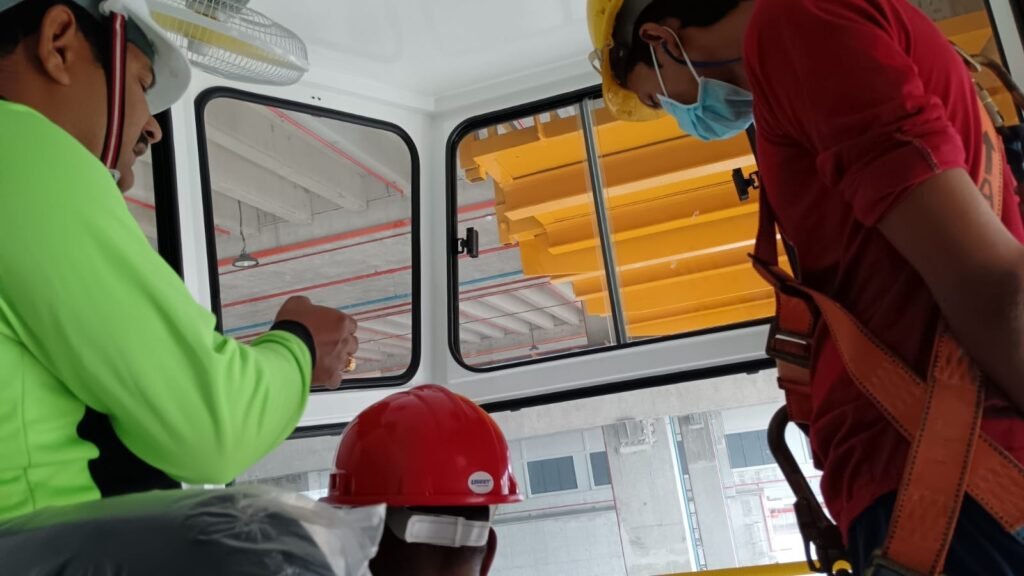
Skilled operators understand how to operate cranes safely. Training is a combination of theory and practice. All the operators are taught the correct procedures to follow when loading, transporting and securing loads.
Training will also enable your team to understand the type of crane they can work with and its weight capacity. It also teaches the correct methods of reducing strain during lifting operations to help prevent accidents. Correct crane operation skills will enable your operators to react properly to high-pressure situations, which will reduce risks on the site.
By placing your employees in an organised crane operator training, they receive more than technical know-how. They also get to know about the workplace safety and health standards in Singapore, which may sometimes consist of legislation and policies that influence the functioning of cranes. This information helps ensure that your workforce is not only safe but also in compliance with the requirements of the regulations.
Key Safety Procedures Every Crane Operator Must Learn
Safety lies at the core of all crane operator courses. Your operators are trained on how to evaluate risks associated with the lift, inspecting equipment, and adhering to the specifics of the location. They also become conversant with the correct signalling techniques, communication and emergency response measures.
These steps may be considered to be very basic, yet they avoid accidents which may result in severe injuries or property destruction. Through adequate crane training, your operators are taught how to recognise hazards, adhere to safety and health requirements at the workplace and work safely under different site conditions.
The more your team practices these safety methods, the more they will be instinctive. An educated operator does not merely go by the rules in the book, but rather they know the purpose behind the existence of the rules and how to apply them to their own benefit and that of their fellow employees.
Assessments, Certification, and Compliance Requirements
Your operators cannot work on a crane without proper certification, and certain crane types may also require prior experience, depending on industry and MOM requirements. Crane operator training programmes involve examinations to evaluate the practical and theoretical skills. These exams enable operators to receive their certificate.
Certification is more than just a document. It demonstrates that your crew meets industry standards, can operate cranes safely, and perform various lifting operations responsibly. With the training and exams, your operators can be assured to operate cranes in construction sites, shipyards and other workplaces that require lifting.
Enrolling in a course also means that your workforce is in line with the legislation on workplace safety and health in Singapore. By certifying your operators, your company can take risks out, avoid penalties, and have a good safety record.
Jenmon’s Crane Training Programmes

At Jenmon, our ambition is to set common standards that increase safety, flexibility, and productivity during crane lifting operations. We aim to create an accident-free environment across the industry.
We’ve developed a wide range of crane training programmes for employees across construction companies, shipyards, government agencies, and other industries with lifting needs. We offer introductory skills to operate, maintain, and troubleshoot and advanced skills to operate a crane. Operators progress through the course at a pace suited to their experience level, ensuring they gain both foundational and advanced crane operation skills.
As the industry evolves, we continuously adopt new methods to enhance safety, productivity, and cost efficiency for our clients.
Send your crew to Jenmon’s professional crane training course. It will ensure that they are more competent, knowledgeable, and confident at work.
Conclusion
Proper crane training is not only optional but necessary. Skilled operators minimise the risks in the workplace, adhere to the rules, and increase efficiency. The training of crane operators safeguards your employees, your projects and your reputation as a company.
Are you willing to make your site safer and more efficient? Get in touch with Jenmon to find out more about our crane training programmes and how we can make your operators perform better.
