
Jenmon | Blogs
How Automated Gantry Cranes Work — and the Sectors That Rely on Them
Dec
You must know what it is like to have to deal with heavy stuff every day. You desire things to move quickly, be safe and run smoothly. That’s where an automated gantry crane can help you. It takes the hard work of lifting and turns it into a smart, steady, and very controlled process. And the best part? You don’t need to stand right under the load or worry about sudden swings.
Let’s break down how these cranes work and which sectors use them the most.
What Makes an Automated Gantry Crane Different?
A normal crane needs a lot of hands-on work. You control the buttons, you watch the load, and you guide the hoist. An automated gantry crane works in a smarter way. It uses automation to handle many moves for you. It lifts, lowers, and shifts loads with more control. It also cuts down mistakes because the crane doesn’t get tired or stressed.
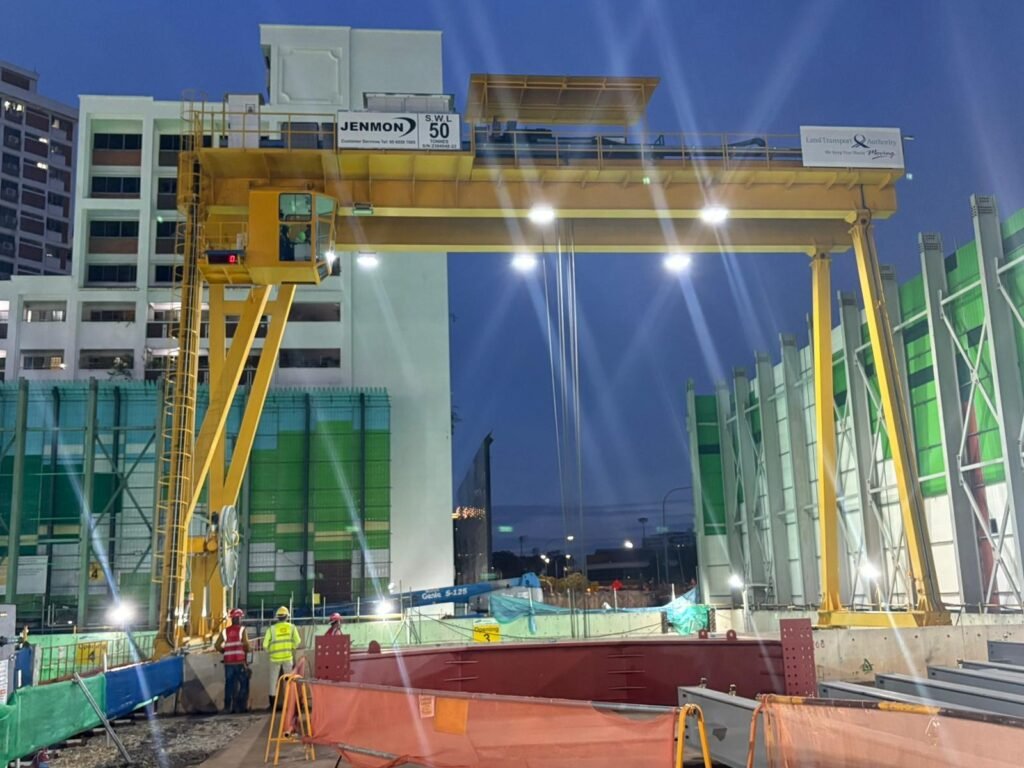
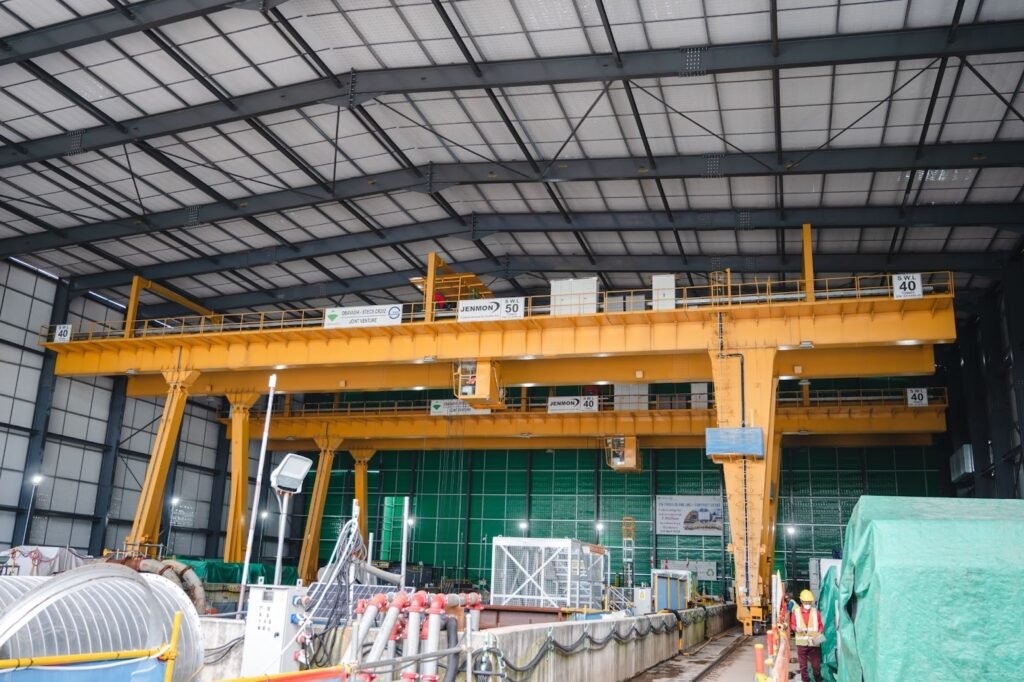
Gantry cranes stand on strong legs that run on rails. Some people even call them rail-mounted gantry cranes. Others work like an overhead crane. No matter the type, the automation helps the system think and act faster than manual work. You get better safety and better efficiency without doing everything by hand. You also reduce manual steps and keep your team safer on-site.
How Crane Automation Actually Works
Automation may sound complex, but it’s quite simple once you get the idea. To operate, three primary items are required for an automated gantry crane: sensors, a smart controller, and strong crane parts used to move a load.
Sensors, Cameras, and Real-Time Monitoring
The crane has sensors and cameras that enable it to visualise the load. These devices assist the crane in taking the correct direction and maintaining the load. You don’t need to guess where the hook or spreader is. The system displays the position in real-time. This helps you move items with more precision, even when the load is heavy or long.
PLC and Automation Systems
Every move comes from a small but powerful controller called a PLC. This is the brain of the crane. It sends signals to the hoist, trolley, and rails. It also helps the anti-sway system maintain a steady load. When the load starts to swing, the PLC corrects it at once. It also adjusts vibration, speed, and position to ensure everything remains safe.
Rails, Trolleys, and Structural Movement
A rail-mounted gantry crane is a type of crane that is mounted on rails to transport objects between locations. The trolley moves on the upper beam. The hoist lifts the load. The rails and structure help the crane remain strong and stable while moving heavy items, such as coils or long parts. Because the crane follows the rails, you get smooth moves without sudden shifts.
Key Features That Make Automated Cranes Better
Smart Hoist Control
The automated hoist raises and drops the load at a constant rate. It prevents the jerky movement of the load or too rapid falling. This helps you protect the materials and avoid accidents.
Anti-Sway and Vibration Control
Moving heavy items can get shaky. Automation helps the crane reduce sway and vibration. The crane adjusts itself when it senses something is off. You don’t need to fight against swinging loads or stress about sudden moves.
Load Handling Tools
Different sectors use different tools. Spreaders, hooks, and coil lifts make the job even easier. You can handle containers at a port, lift beams at a precast yard, or move parts in an assembly line without changing the full system.
Industries That Rely on Gantry Automation
Ports and Container Yards
Ports use automation the most. A rail-mounted gantry crane is capable of picking and stacking containers quickly. The cranes have real-time control and tracking systems to ensure everything is in order.
Construction and Precast Yards
If you move heavy blocks, beams, or panels, a gantry crane with automation can help significantly. You can lift large structural parts without risking swings or drops. It also helps teams with tight schedules.
Shipyards
Shipyards have automated cranes that are used to lift heavy parts such as ship frames, engines, and pipes. These sections require special attention. Automation brings more control, so the load stays steady.
Government and Utility Work
Some government and utility sectors utilise overhead and gantry cranes to facilitate safe lifting in narrow areas. Automation helps make lifting safer and more efficient.
Manufacturing and Assembly Lines
Automated cranes are used in factories to move machines, coils, and bulk materials. Since the crane has a predetermined route that must be followed on either a rail or an overhead track, it maintains a straight line. You also remove a lot of manual lifting.
Entertainment and Stage Makers
Stage builders use overhead crane systems to set up lights, trusses, and platforms. Automation helps them place items at the exact position without long delays.
Should You Automate Your Gantry Operations?
If you prefer safer work, quicker movements, and more control, consider automation. It provides greater accuracy, reduces manual labour, and enables your staff to accomplish more within a short period of time. You will also not spend much time correcting mistakes or struggling with loads that swing excessively.
Conclusion
An automated gantry crane gives you a smarter and safer way to lift. You achieve steady movements, improved control, and a smoother workflow across various industries. When you combine robust crane systems with effective automation, you get a setup that works efficiently and keeps your team safe simultaneously.
Ready to Improve Your Lifting Operations? If you want to learn how automation can help your crane systems, reach out to us at Jenmon. We’ll help you explore automation solutions tailored to your lifting needs.
