
Jenmon | Blogs
Transfer Car vs Traditional Lifting Methods: Which Suits Your Industry Best?
Dec
When you move heavy materials every day, you know how much time and effort it takes. You also know how one small delay can slow the whole workflow. That’s why choosing the right material handling method matters more than you might think. In industrial settings, this often means deciding between a transfer car and more conventional lifting methods, such as cranes and forklifts. Each alternative has a different mode of operation, and each serves different purposes.
We will simplify it to help you make a decision as to what would work best in your operation.
What a Transfer Car Does in an Industrial Environment
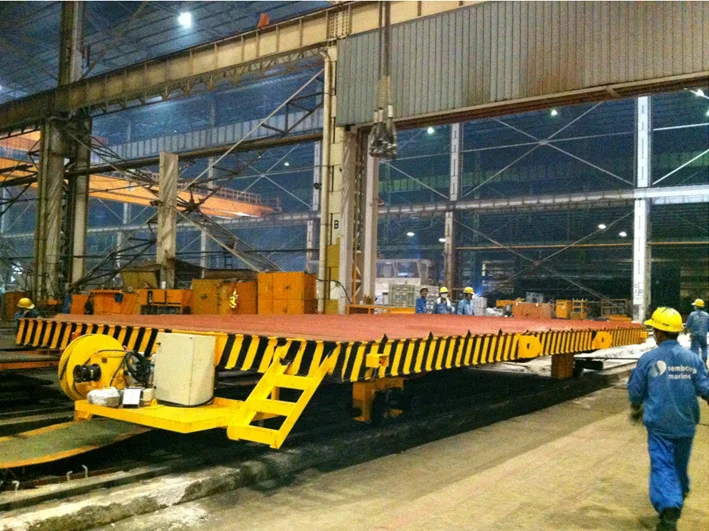
A transfer car helps you move heavy materials from one point to another on a fixed path. It can be frequently found running on rails between workshops or bays. It does not lift loads vertically; instead, it transports them horizontally along a fixed path. This type of movement is ideal for handling heavy products such as steel coils and large fabricated components.
You gain better control when you use a transfer car. The load stays stable, and the movement stays predictable. You don’t need to reposition equipment again and again. You simply load, transfer, and unload. That simple flow saves time and effort during daily operations.
You also benefit when space feels tight. A transfer car uses a defined track, so you don’t need wide turning areas. You make better use of every metre of floor space.
How Traditional Lifting Methods Work
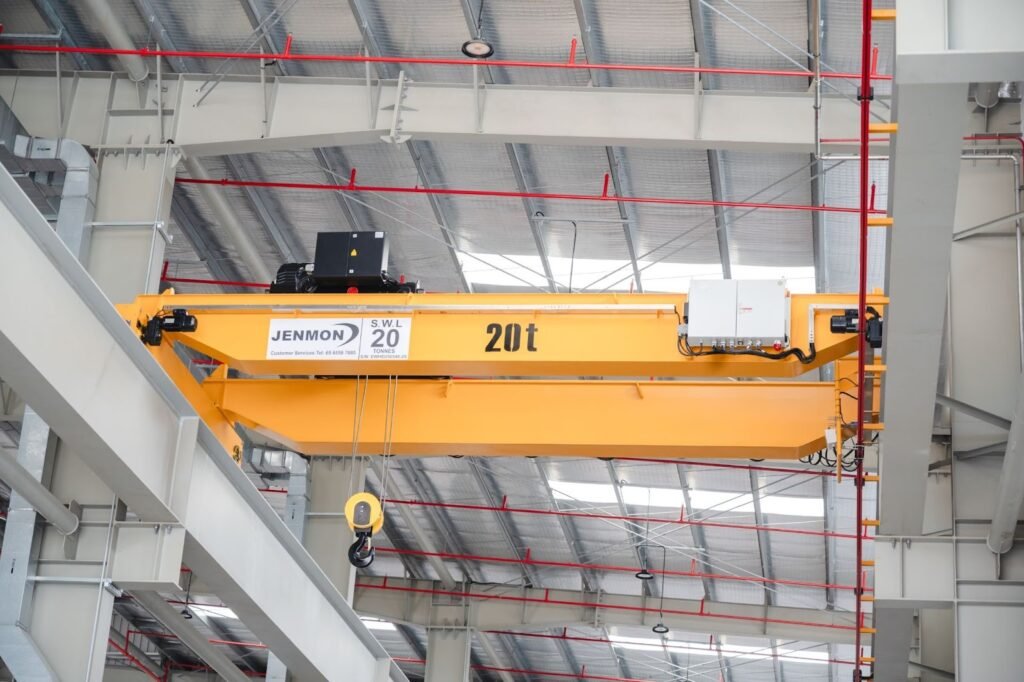
Traditional lifting methods primarily rely on vertical movement. You take the materials using overhead cranes, hoists, or forklifts. The tools are effective when a load must be lifted onto platforms or machines. They also suit sites that need flexible movement in many directions.
However, you may encounter limitations when using lifting equipment for frequent horizontal movement. Cranes need clear overhead space. Forklifts require sufficient floor space to manoeuvre safely. These requirements can get you behind in hectic workshops.
You also rely more on operator skill when you lift loads. Any sudden movement can compromise safety and accuracy. Over time, this risk adds pressure to your workflow.
Space and Layout Make a Big Difference
Your workshop layout plays a huge role in your decision. If you work with multiple bays or long production lines, you likely move materials back and forth all day. A transfer car suits this setup well. You follow a fixed route and avoid cluttered paths.
Traditional lifting methods are more effective when dealing with varied routes, height changes, or irregular load paths. If you don’t move materials in a straight line, lifting tools give you flexibility. Still, that flexibility often comes with slower movement and more handling steps.
You should always match the method to your space, not the other way around.
Safety and Load Control
Safety matters in every industry. You want equipment that protects both your workers and your materials. A transfer car keeps loads low and stable throughout horizontal movement. You reduce the risk of swinging or shifting during movement. This stability is particularly helpful when handling heavy steel coils or bulky items.
Lifting methods require careful timing and control. Operators must manage balance, height, and direction simultaneously. Even with experienced operators, this process can increase physical strain and safety risk.
If your operation values smooth and repeatable movement, a transfer car gives you peace of mind.
Efficiency and Daily Workflow
You probably measure success by how smoothly work flows each day. Transfer cars support continuous, repeatable movement along defined routes. You load once, move once, and unload once. That simple cycle keeps production moving.
Traditional lifting often involves more steps. You position the equipment, lift the load, move it, and lower it. Each step takes time. When you repeat this process multiple times a day, delays accumulate quickly.
If you move the same materials along the same route, a transfer car improves efficiency without extra effort.
Industries That Benefit Most from Transfer Cars
You’ll often see transfer cars in shipyards, tunnelling projects, palm oil plants, railway facilities, and heavy manufacturing sites. Many factories also rely on them for handling steel coils. These industries need stable, repeatable movement across fixed paths.
You gain the most value when you move heavy loads between workshops or bays. You also benefit when you want to maximise limited space without changing your layout.
Custom Features That Match Your Needs
You can customise a transfer car to match your workflow. You can choose motorised or manually operated designs. You can add warning alarms, remote controls, or designated stop points. You can even design the deck to suit special load shapes.
These options allow you to design a solution that fits your process, rather than forcing your workflow to adapt to the equipment.
So, Which Option Suits You Best?
You should choose a transfer car when you need stable, frequent, and horizontal movement. You should choose traditional lifting when you need vertical movement or flexible routes. Many operations even use both methods together for different tasks.
The trick is to realise what you encounter on a daily basis and what kind of tool will take the friction out of your work process.
Looking for a Reliable Transfer Car Solution?
If you’re looking for a solution that suits your operation, we can help. At Jenmon, we design and build transfer car systems that support efficient material movement across workshops and bays. We collaborate with you to know your space, load, and workflow. By joining us, you gain a solution that enhances safety, optimises space, and facilitates the continued operation of your business.
