
Jenmon | Blogs
Hoist Chain Safety: Common Issues and How to Prevent Them
Jan
The most important thing when dealing with heavy lifting machines is safety. The use of a hoist chain is not a complex thing, but it adds a lot of weight to the lift. When you ignore small issues, they can turn into huge risks to your people and your business. This is the reason why you should have basic knowledge of the common problems with the hoist chains and the ways of preventing them before they begin to inconvenience your workplace.
Whether you are the manager of a facility or a supervisor for crane operators; either way, the right knowledge guides you to operate your crane with ease, efficiency, and confidence.
What Is a Hoist Chain
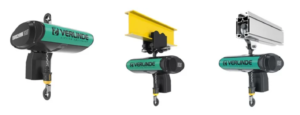
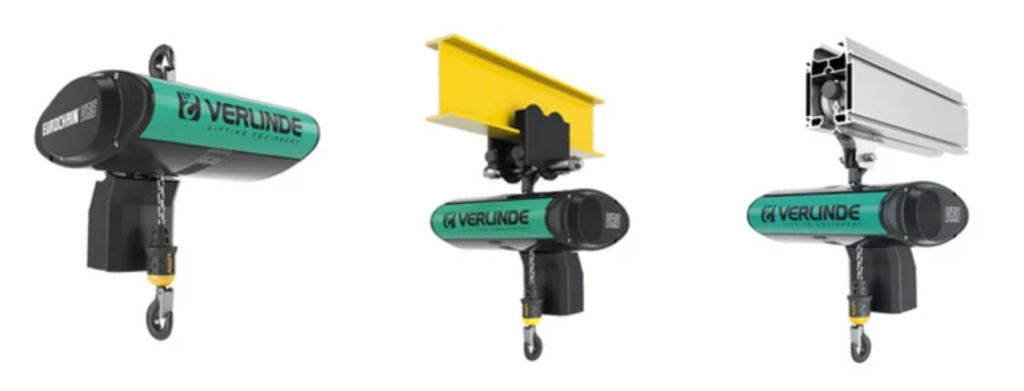
A hoist chain forms the core part of a chain hoist system. You use it to lift, lower, and hold a load during operation. Unlike a wire rope, a hoist chain handles heavy weights in a compact and precise way. Many industrial sites prefer chain hoist systems because they offer strong control and long service life.
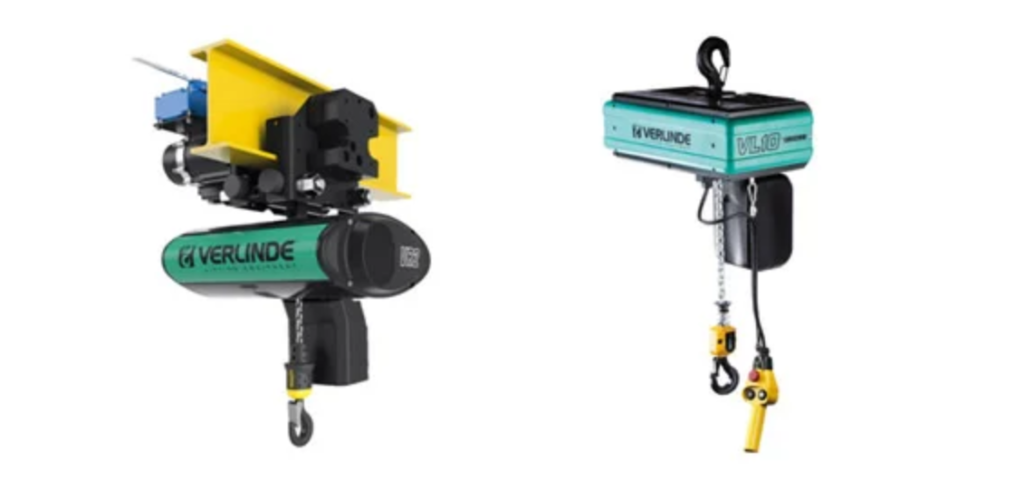
Chain hoist systems, which are electrically powered, are used in factories, warehouses, and shipyards. These systems use electric motors and electrical equipment to lift loads efficiently and quickly. During lifting, greater control can be achieved to enhance safety and precision.
Common Hoist Chain Safety Issues and How to Prevent Them
Chain Wear, Elongation, and Weight Fatigue
Every hoist chain is subject to stress during daily operation. With repeated use, there is wear and elongation over time. When you neglect this problem, the chain can break when in service.
This can be avoided by regularly checking the chain length and condition. You are supposed to abide by the proper load capacity and not exceed the assigned weight. Constantly changing the chain makes it strong and prepared to lift every time.
Improper Use of Hoist Chain and Hook Components
Many safety issues start with poor handling. You increase the risk of accidents when you attach a hook improperly or use the wrong equipment for a given application.
The hook must always be correctly positioned and styled according to the product design. You should also decide on the appropriate chain hoist for your load and the lifting height. Training is necessary for operators to know how to lift and lower safely each time.
Electrical and Limit Switch Failures in Electric Chain Hoists
Electric chain hoist systems depend on electrical components to operate properly. A defective motor, burnt wiring, or a defective limit switch may stop your operation or lead to unsafe motion.
The limit switch should be regularly tested, and any unusual sounds from the motor should be noted. Regular maintenance lets you identify problems before they start and maintain the equipment in good operation. The right electrical handling enhances the safety and productivity.
Overloading and Incorrect Lifting Practices
Overloading remains one of the most common chain hoist safety problems. Going over the limit overstretches the chain, hook, and motor. This cuts down the life of your lifting equipment and exposes your equipment to accidents.
Before activation of the hoist, you should always verify the load weight. Easy to identify lift plans and clear labels assist your team in lifting carefully. The lift to a specific level will save lives and avoid machinery damage.
Poor Maintenance and Infrequent Inspections
Many worksites delay inspections until something breaks. This habit leads to downtime and safety risks. Small issues grow fast when you ignore maintenance.
You are to inspect everything: the chain and hook, the limit switch, and the electrical system. Maintaining your equipment regularly ensures you can work and have reliable equipment. An efficient and clean hoist enhances efficiency and accuracy in each lift.
Conclusion
The safety of hoist chains depends on daily habits rather than on paper rules. You save your people, your load, and your business when you know what could go wrong and do something about it early. In any industrial environment, frequent inspections, proper functioning, and appropriate equipment selection can help ensure safe lifting.
Discuss the safer usage of hoist chains with Jenmon. We know the importance of hoist chain safety in your operation at Jenmon. We provide quality assurance of lifting equipment, hoist chains, and safety-oriented solutions to the industry in Singapore. We assist you in selecting the appropriate product, service, and equipment care, and optimise on-site.
Safer and more efficient lifting solutions may need to be discussed with us today. We are willing to provide the support that best suits your particular needs.
