
Jenmon | Blogs
7 Signs It’s Time to Replace Your Hand Winch Instead of Repairing It
Jul
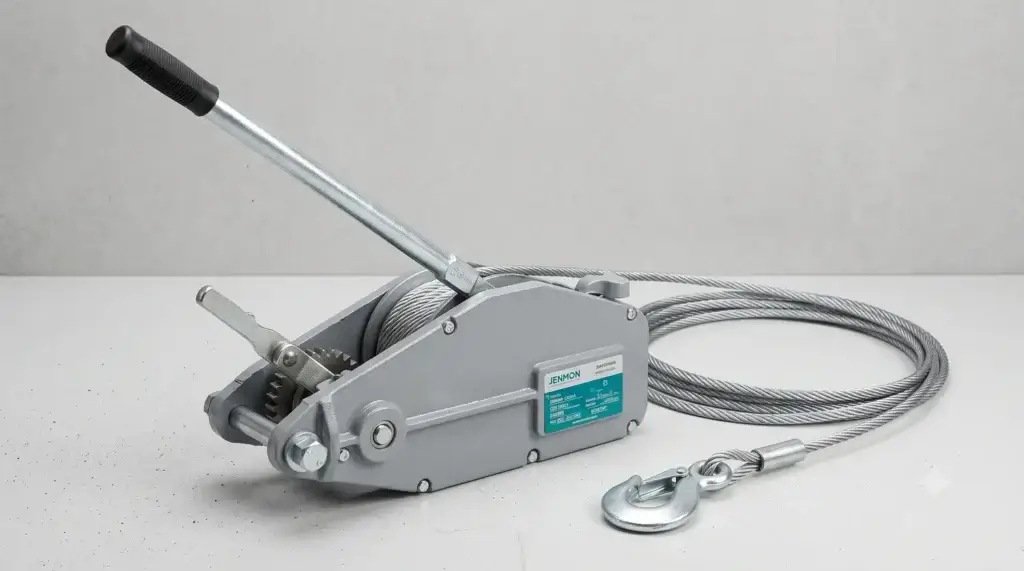
Your hand winch keeps your daily operations moving. A manual hand winch is a durable tool used for loading boats onto trailers or lifting equipment in industrial warehouses. But even the strongest equipment will wear out after working hard.
If your winch begins to fail, you may consider a quick repair. While a repair can save some time, a broken winch can compromise safety and your load. In some cases, the best option is to purchase a new one. If you notice any of these seven warning signs, it’s time to replace your hand winch rather than repair it.
1. Visual Damage to the Heavy Duty Steel Housing
Take a close look at the outer shell of your winch. The internal components are protected by a heavy-duty steel frame that shields them from dirt and impact. Look for deep cracks, sharp bends, or warped areas in the housing. Structural failure may be imminent if they are present.
When the frame is damaged, it’s not safe to pull a heavy load. The metal becomes weak if it is not in its original shape. Even if the inner components appear to be in good shape, the frame can still break easily. Never attempt to weld a cracked frame together. When the entire unit needs replacing, you can be sure that your mount stays secure, and your workspace remains safe.
2. The Gear Mechanism Slips or Gear Teeth Are Missing
The gear system provides the mechanical advantage needed to make winching easier. When using the crank, if there is a sudden slip, discontinue at once. Missing or stripped teeth on a spur or worm gear mean the gears can no longer mesh properly.
A slipping mechanism can no longer transfer power efficiently. This issue makes it incredibly difficult to lift anything. It may be a small cog, but if it is worn, the rest of the gear train has likely experienced wear as well. A new worm gear winch provides smooth rotation and reliable power each time you turn the handle.
3. The Automatic Brake or Ratchet Fails to Hold
Safety is paramount in all lifting and pulling activities. When the handle is released, the weight is held by the brake-and-ratchet system. If the locking mechanism is loose or produces unusual noises, your winch may no longer be safe to use.
A failing brake can cause a heavy load to drop instantly. This can damage your cargo and cause serious injuries. If the safety lever does not click into place perfectly, do not risk a patch job. Drop the old tool and invest in a new one with reliable safety winch features.
4. Severe Corrosion on the Drum and Frame
Water is the #1 enemy of metal components. Many winches are made from coated or galvanised steel, while some models use stainless steel to improve corrosion resistance. Over the years, however, this protection can deteriorate with continued exposure to the elements on a boat dock or in a utility trailer.
Surface rust is normal, but deep pitting on the drum or frame is a major problem. Rust eats away at the metal, reducing the tool’s overall capacity. If flaky orange rust covers your winch, a simple cleaning will not restore its strength. Upgrade to a fresh unit with a clean finish to handle tough marine environments.
5. Frayed Wire Rope or Cracking Steel Cable
Your winch relies on its rope or cable to pull a load. Inspect the line to make sure there are no frayed or flattened areas. When using a steel cable or wire rope, broken wires can cause hand injuries and indicate that the cable should be replaced.
You can easily swap out a bad synthetic rope or strap. However, if the cable damages the drum itself, a new line will not fix the issue. A grooved or crushed drum will quickly destroy your new cable, too. If both the line and the drum show heavy wear, buy a completely new setup.
6. It Constantly Exceeds the Rated WLL and Pulling Capacity
Your lifting needs might change over time. Perhaps you started with light loads, but now you haul much heavier items. Look at the working load limit (WLL) stamped on your tool. Avoid exceeding the pulling capacity of a winch with a lower load rating.
Overloading can stretch the frame and damage the gears of a small winch. If your daily work constantly pushes the tool beyond its maximum pulling capacity, repairs will not help. You simply need a larger, heavy-duty winch with greater pulling capacity.
7. You Need an Upgrade to an Electric Winch or Hoist
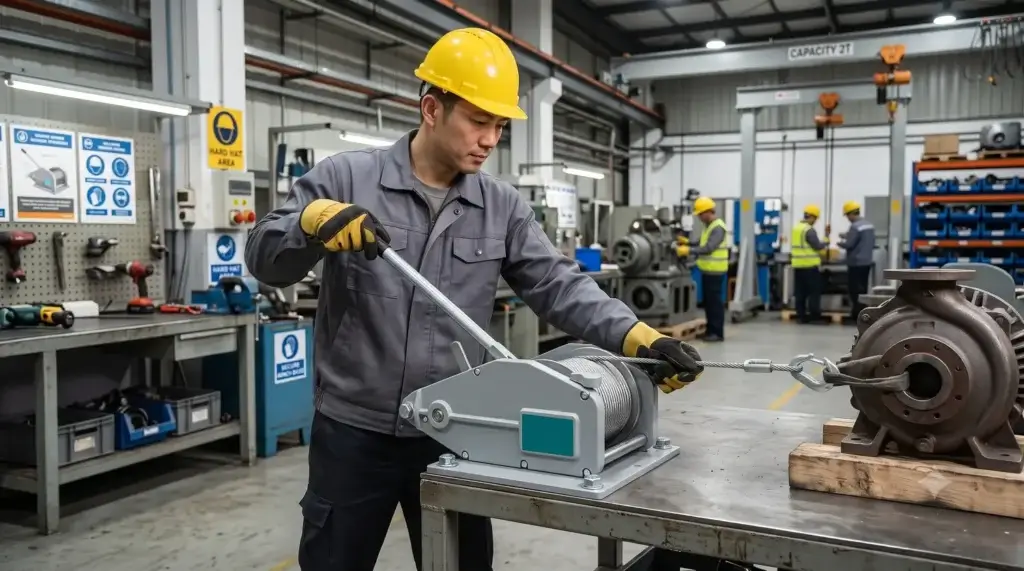
Sometimes, the issue isn’t that the winch is broken. It’s that your operational needs have outgrown it. Manual hand winches are best suited for lighter-duty tasks and lower lifting frequencies. If your team spends excessive time operating a manual hand winch, overall productivity can decline.
Think about switching to an electric winch or a powered hoist. A powered system does the hard work for you with the push of a button. If your manual come-along or hand setup slows down your business, consider upgrading to an electric system instead of continuing to repair it. Transitioning to an electric system improves your daily workflow.
Conclusion
A good hand winch offers a versatile way to lift and pull heavy loads. But if the tool is worn out, it is a serious danger. Regular inspections will enable you to identify broken frames, rusted drums, and slipping gear mechanisms before they lead to an accident. If you notice these seven warning signs, replacing your hand winch is often the safer and more reliable option.
We know how vital reliable lifting equipment is to your business at Jenmon. We provide quality cranes, top-notch parts and reliable lifting solutions for your needs. Contact us today, and we’ll help you discover the ideal lifting upgrade for you!
