
Jenmon | Blogs
What to Expect During a Crane Training Course in Singapore
Jun
If your staff works with cranes in the workplace, safety is one of the first priorities to consider. A skilled crane operator can reduce workplace hazards and improve operational efficiency. That is why numerous companies opt to provide their employees with crane training.
Once you’ve decided that your staff requires training, you may be wondering what the programme includes. While crane training in Singapore may vary across providers, it generally covers the same core topics.
Here are the elements typically covered during a crane training course:
Understanding the Objectives of a Crane Training Course
Before moving into the practical components, participants are typically taught the importance of crane operation training. In the initial sessions, they learn about on-site safety and the consequences of its absence on overall operations and the workplace.
Unlike traditional learning methods that focus solely on training an operator to use the equipment, this learning experience helps individuals build a knowledge base, enhance their decision-making, and instil the right work ethic to ensure safe operations.
Many programmes also discuss the benefits that crane operators and employers gain from efficient lifting operations and meeting Occupational Safety and Health (OSH) regulations. These aspects ensure that employees understand their responsibilities as operators before actually operating a crane.
Learning the Fundamentals of Crane Operation
After understanding the purposes of operator training, learners will be taught the basics.
Generally, in such crane operation training courses, people are taught about different types of cranes, including overhead cranes. The aim is to help learners understand operations, components, and control mechanisms.
Common topics covered include:
- Basic operating principles
- Load handling techniques
- Safe lifting procedures
- Hazard identification and awareness
- Communication procedures
This phase equips learners with essential fundamentals they will apply during practical sessions. They are also taught how their handling approach in different lifting situations may affect outcomes and safety. With such fundamentals, a crane operator will be able to perform with greater awareness when handling equipment in real situations.
Workplace Safety, Regulations and Crane Inspection Requirements
Workplace safety is an integral part of the operator training process.
Here, the importance of adhering to OSH standards and the required procedures for crane operations is explained. Potential dangers that crane operators must be aware of and how to avoid them will be detailed in the safety brief, along with best practices for operating a crane safely in relation to other equipment, personnel, and loads.
Most training courses also emphasise the necessity of inspecting crane equipment regularly prior to any operation. Practical crane inspection exercises may be conducted with participants observing or participating actively to help them learn how to look out for faulty equipment, such as:
- Worn or damaged components
- Operating defects
- Missing safety parts
- Broken or faulty controllers
Good operating habits, such as immediately reporting any faults or issues, will be cultivated to help employees maintain safe and reliable lifting operations.
Employers, too, must recognise that operator training will provide a foundation for safe crane operation, starting with pre-operation inspections long before a load is actually lifted.
Hands-On Experience and Practical Training Sessions
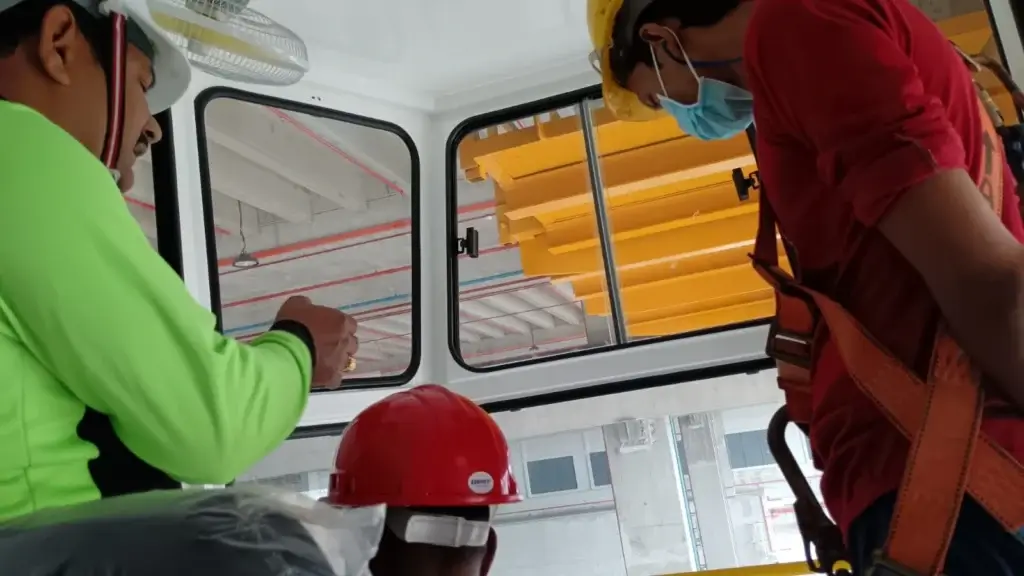
The most vital component of crane operator training is the practical sessions.
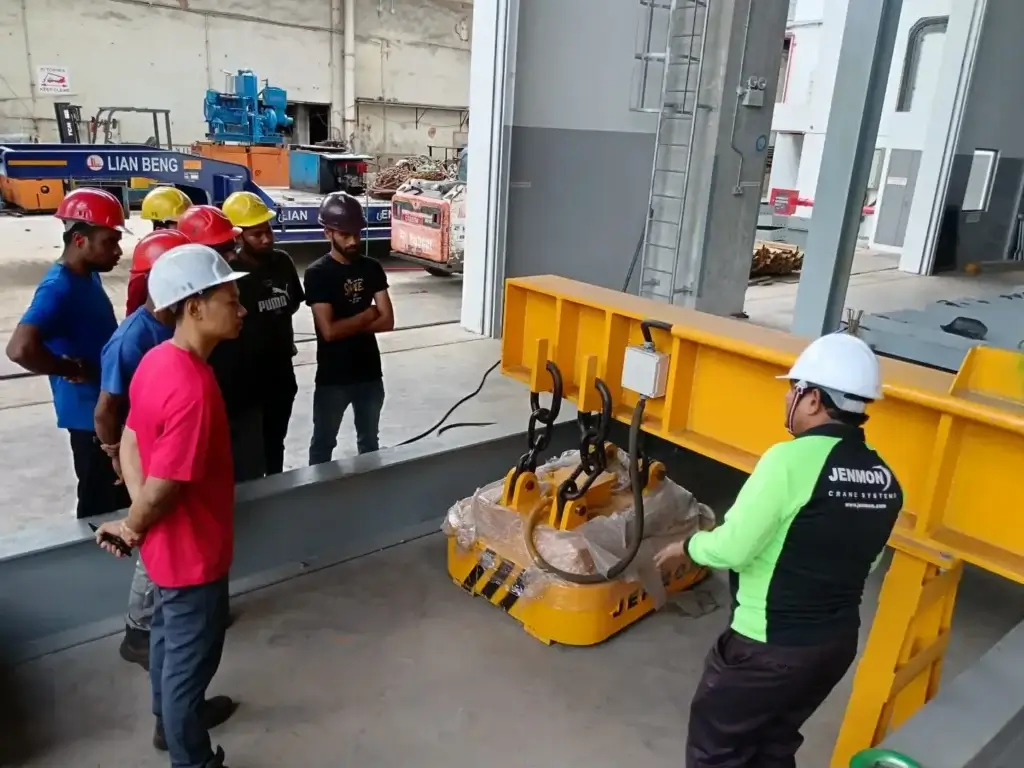
After the theory sessions, learners will participate in practical training under the supervision of experienced trainers to apply what they have learned in a hands-on environment. This may include operating equipment, conducting pre-operation checks, practising basic lifting and transfer tasks using safe practices, and dealing with typical site scenarios.
The practical learning opportunity allows learners to gain experience and build confidence in handling cranes. Trainers can also provide instant feedback and corrections to ensure mistakes are not repeated. A combined approach to learning allows individuals to retain the information they are taught more effectively.
Assessment, Certificate and Course Completion
In most cases, participants are evaluated during the course. Practical assessments and tests may be conducted, with participants’ grades determined by how much they have learned during the training period.
Assessment tasks focus on an operator’s:
- Awareness of safety practices
- Knowledge of equipment
- Operating principles
- Crane operation skills
- Compliance with regulations
Conclusion
Crane training does much more than impart theoretical knowledge alone. It fosters practical skills, creates awareness of safety standards, and cultivates the ability to perform lifting tasks with higher confidence. An investment in operator training guarantees the workplace safety of both your employees and the public. It also allows employees to develop and perfect the professional skills needed for operational effectiveness.
Need Crane Training in Singapore?
For a robust, job-enhancing crane operator training programme aimed at elevating workplace safety and employees’ proficiency, Jenmon offers programmes to develop skills at a pace that best suits your employees.
Our training focuses on both workplace safety and productive operating techniques to help operators confidently perform crane operations. For additional information or to learn more about the crane training courses available with Jenmon, kindly contact us.
