
Jenmon | Blogs
Lifting Equipment Inspection vs Preventive Maintenance: Why You Need Both
Jul
Suppose you have an extremely busy construction site with one of the major cranes suddenly shutting down. Crane downtime costs money, delays the job, and affects your workers.
This is a common worry for most site managers. Some people may question whether the equipment needs a comprehensive repair or a simple tune-up, often confusing these with inspection and preventive maintenance. Many assume the two are synonymous, creating significant gaps in site safety and financial planning.
The fact is, you can’t choose one over the other because both play different but equally important roles.
What is Inspection of Lifting Equipment?
Inspection is about checking and assessing equipment to ensure safety. You examine the gear to confirm it works as intended. You do not fix parts or change oil during an inspection. Instead, you look for signs of wear, damage, and stress before a breakdown happens.
Key Types and Procedures for Regular Inspection
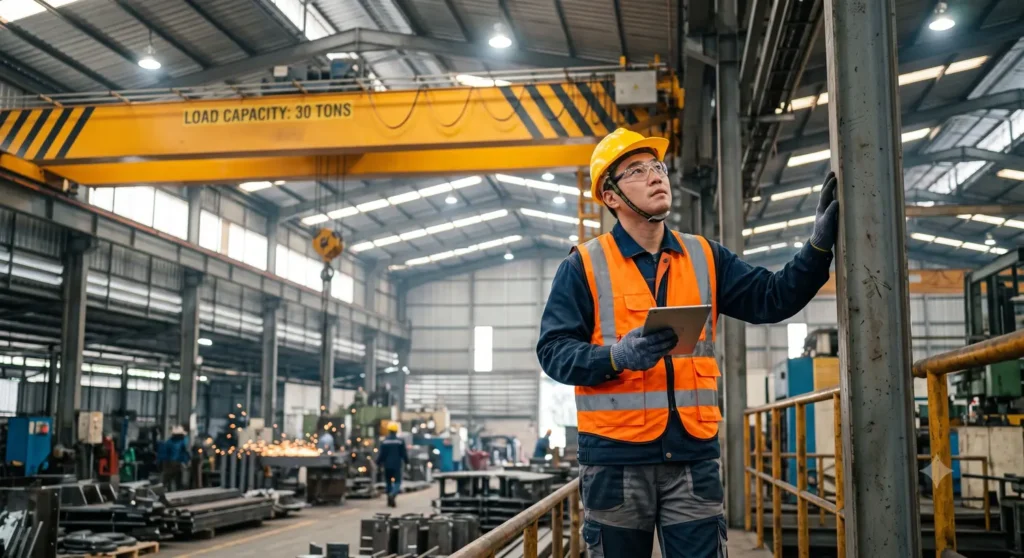
A good safety strategy relies on routine checks. Machine operators perform a daily visual check on the equipment before starting any work. They look at cables, hooks, and controls for obvious damage.
Qualified technicians then conduct a formal periodic inspection. This thorough process involves detailed visual checks and functional testing to verify the safe operation of the equipment. They review each critical section of your cranes, hoists, and lifting accessories to verify they are safe for operation.
Identifying Defects and Regulatory Compliance
Inspection helps with the early detection of hidden defects. A structural failure may occur suddenly due to small cracks in a sling, worn chain links, or loose bolts.
These issues can be spotted early, helping your team avoid serious injuries. It also helps ensure your business stays in line with local safety regulations.
What is Preventive Maintenance?
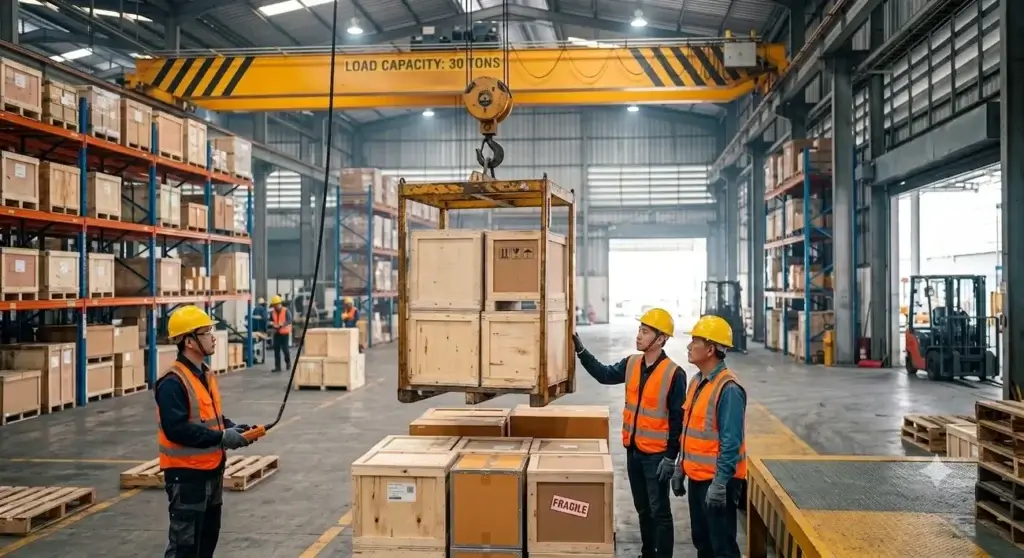
Preventive maintenance involves servicing equipment proactively to help prevent failures. Inspection identifies existing signs of wear or damage, while maintenance helps reduce the risk of future issues.
Routine Care to Reduce Operational Risk
Scheduled care helps reduce operational risk through tasks such as servicing the motors, making adjustments, and replacing old hydraulic oil in cranes.
This continuous care reduces wear on heavy-duty parts. This helps prevent costly surprises by addressing small mechanical problems during scheduled downtime.
Extending Lifespan and Maintaining Peak Performance
Heavy equipment is a significant financial commitment. When routine maintenance is not carried out, the life of common lifting equipment is shortened, and the efficiency of the lifting process decreases.
Lubricating hoists and replacing worn components in a timely manner helps ensure they continue lifting heavy loads smoothly. Regular maintenance helps maximise the long-term value of your equipment and protect your investment.
Inspection vs Maintenance: Why Your Business Needs Both
Consider these two practices as a duo. An inspection is similar to a health checkup that identifies health risks. Preventive maintenance is like healthy eating and exercising to keep the body strong.
When you only check your equipment, you’ll discover flaws, but you will wear it out prematurely if you don’t take care of it. Even with maintenance, you could overlook potentially dangerous structural defects that a detailed inspection and, where required, a load test can identify. Using both techniques helps improve site safety and productivity.
Keep your job site safe, compliant, and productive without the stress of sudden gear failure. At Jenmon, we offer complete lifting equipment inspection and custom preventive maintenance packages across Singapore. We inspect, service, and maintain lifting equipment to help ensure safe and reliable operation every day.
Contact our team at Jenmon today to help keep your equipment operating safely and efficiently while reducing downtime and protecting your investment.
