
Jenmon | Blogs
Design Considerations That Matter When Installing Monorail Cranes
Jan
The designing phase is more than most individuals anticipate when they intend to install monorail cranes. An effective system will assist you in loading things safely, transporting materials without a single problem, and maintaining your daily routine without obstacles. When you hurry in designing, you will not be efficient, you will incur more expenses and will always have to do some repairs afterwards. It is important to always look at the bigger picture prior to installing a monorail crane system in your facility.
Now, we are going to talk about the major design considerations that do matter.
Understand Your Structure and Support Needs
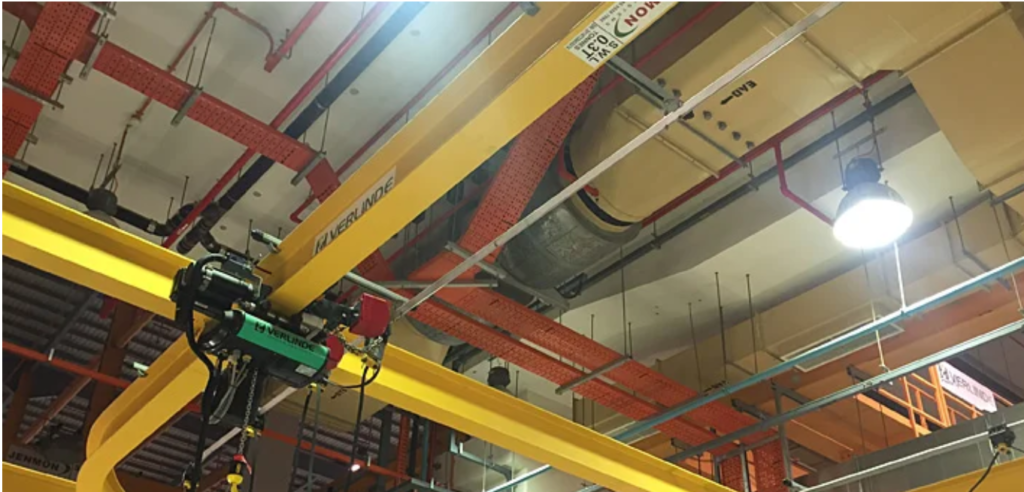
You must inspect your structure before installing any crane. It has to be a load-bearing building, beam-bearing building, and monorail-bearing building. There are those facilities which are compatible with ceiling-mounted monorail cranes and some which require freestanding monorail.
Ceiling height, limits of the fixed structure and position of columns in the building should also be considered. This information will impact the location of the beam of the monorail and the direction of the crane. The support in high level makes the system stable and aids you in the avoidance of expensive changes in the future.
Choose the Right Monorail System Layout
Every facility works differently, so your monorail system should match how you move material every day. Straight track layouts work well for simple lifting and transfer jobs. Curved track designs help you move loads around corners or between workstations.
Another thing that you should compare is the monorail cranes with the bridge crane or overhead crane set-ups. Monorail cranes may provide a cheaper option for your specific lifting operation. They are particularly applicable in material handling sections where you do not require a complete overhead crane system but a smooth guided movement.
Match Load Capacity with the Right Hoist
Load size and weight guide every design choice. You have to know how much you will lift and how many times you are going to lift it. Such information assists in selecting the right hoist and monorail hoist crane.
Safety and efficiency can be enhanced by a well-sized hoist. You may use a manual mechanism in case of light loads and powered mechanisms in the case of high capacity and frequent loads. The trolley and track should also be suitable for the load so that there is easy movement on the monorail crane system.
Plan Integration with Existing Overhead Systems
Overhead cranes or other lifting equipment are already in use by many facilities. These systems should not be blocked by your monorail crane, resulting in congestion and delays. Intelligent design makes it easy to get material out of one bridge or workstation and into the other.
There should be a clear route designed for the crane, hoist and trolley. Effective integration facilitates quicker construction, purer operation, and more efficient utilisation of space. Working together, your team will ease and transfer loads with minimal effort and interruptions.
Focus on Installation, Maintenance, and Efficiency
A good design makes installation easier and faster. You should plan access points for maintenance from the start. Easy access helps your team fix issues quickly and keep the crane running smoothly.
Efficient systems also reduce long-term costs. A well-designed monorail crane system lowers wear on equipment and supports consistent operation. When you invest in proper engineering upfront, you save time and money over the life of the crane.
Why We Design Jenmon Monorail Cranes This Way
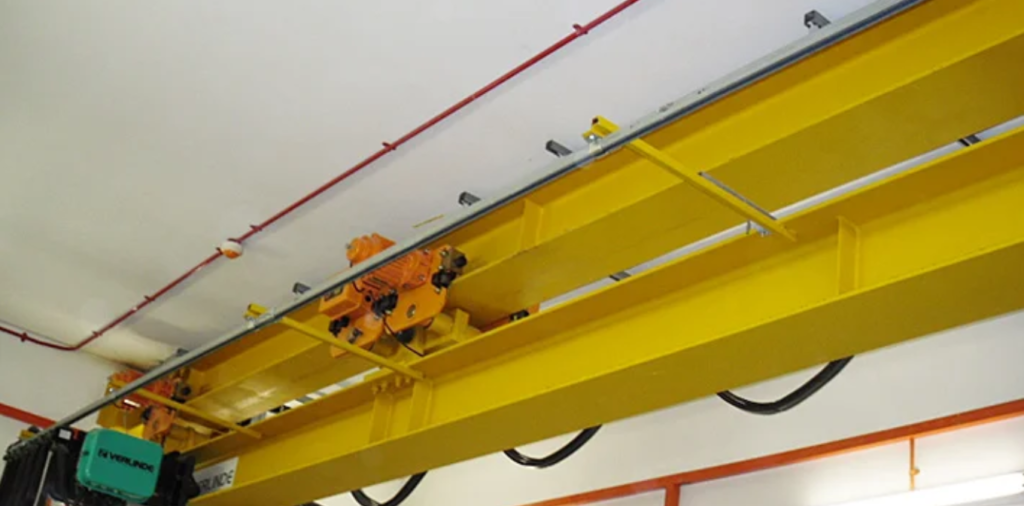
At Jenmon, we design monorail cranes with real-world use in mind. We construct systems which remain flexible, easy to operate and robust enough to perform daily lifting. Our monorail cranes are used to assist in carrying loads of 1 ton to 10 tons and are applicable both indoors and outdoors.
We provide a cost-effective solution to provide easy lifting to load and offload vehicles, move loads between levels, or provide logistics and warehousing support. Our designs also reach beyond backing columns using cantilever support, which gives you better coverage without changing your structure.
Our retractable monorail design allows the beam to extend outside the building while letting the hoist travel back inside. This setup protects the hoist from weather, extends equipment life, and keeps your building looking clean and neat.
Conclusion
When you install monorail cranes, design choices shape how well your system performs every day. Structure, support, load capacity, hoist selection, and system layout all play a role. When you plan carefully, you get smoother lifts, better efficiency, and safer material handling across your facility.
If you would like to install a monorail crane system in Singapore, consult our professional engineering team at Jenmon. We will assist you in coming up with a unique, affordable solution that best fits your space, loading requirements and day-to-day operations.
