


Uncategorized
The True Cost of Skipping Crane Safety Training
Feb
At a construction site, every decision counts. Skipping crane safety training is one of the most serious mistakes a company can make. It may appear to be one way of saving money or time, yet the expenses of not engaging in proper training are much deeper than you believe. Accidents, fines, reputational damage, and poor stakeholder relationships can quickly arise when you fail to invest in your team’s skills.
Increased Risk of Accidents and Workplace Hazards
A safe construction site is not optional; it is essential. Untrained crane operators can miscalculate loads, fail to follow protocols, or operate machinery improperly. This may cause accidents involving crawler cranes, heavy lifts, or unstable loads.
Accidents not only harm the injured employee at the time they occur. Equipment is taken out of operation, projects are delayed, and morale declines. An appropriate crane operation safety training program provides operators with safe lifting techniques, hazard recognition, and emergency response. Through workshops and case studies, trainees learn to identify the root causes of incidents before they occur.
Financial Implications of Skipping Training
We know budgets are tight. However, the cost of bypassing crane safety training is far higher than the cost of the right course. Financial fines, insurance premiums, and even legal costs may be incurred without training. Then the expense of broken machinery, project delays, and wasted labour.
While certification may require an upfront investment, it delivers long-term value. You receive a fixed-fee agreement and a recognised certification upon successful completion. You save money in the long run by improving efficiency and having trained operators.
Skill Gaps and Operational Inefficiencies
Complex lifting operations are usually challenging for untrained operators. They may be unaware of the safest methods for handling heavy loads, the proper use of various crane types, and the application of new legislation governing lifting operations. These gaps slow down operations and reduce overall efficiency.
An appropriate course will address the current legislation and provide your team with practical experience operating the safe crane. By attending workshops, participants can practice their skills and build confidence in real-world situations. Operators learn operational and reporting procedures, as well as how to plan lifts safely. In the long run, the skills enhance productivity and minimise errors.
Compliance and Legal Consequences
Workplace safety and health laws are strict in Singapore. The Ministry of Manpower (MOM) anticipates a safe lifting procedure for operators. Without crane safety training, operators may fail a crane inspection or meet regulations. Failure to comply may result in fines, project stalling, and prosecution.
Operators receive training in safe lifting procedures for various cranes and lifting operations. They also encompass the application, submission, and completion requirements of compliance documents. Investment in training ensures business success, employee performance, and reputation.
Reputation and Long-Term Costs
Safety and compliance are not the only things to worry about. Crane-related accidents may damage your company’s reputation, as clients and partners prefer to work with businesses that prioritise a safe working environment.
As a result of hiring qualified operators, you demonstrate that you care about the safety and health of the workplace and minimise the risks, demonstrating professionalism. Real-life case studies are also taught through training, thus your team learns through industry examples and practises as they learn. The result is improved projects, greater efficiency, and stronger confidence in your company.
Why Jenmon is Your Trusted Crane Safety Partner
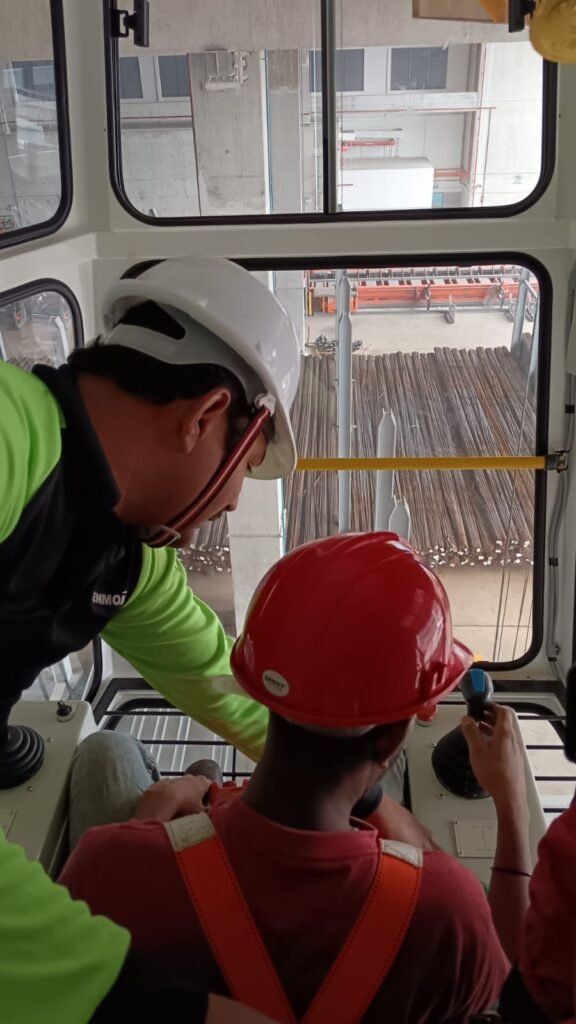
At Jenmon, we believe training must be accessible, realistic, and efficient. We also offer a variety of crane training at every skill level, including safe operation, maintenance, and troubleshooting. This strategy will ensure that all participants have the opportunity to attend, learn at their own pace, and improve their skills without fear.
Our courses are structured to include theory and practical components, supplemented by workshops that build crane operation skills in real-world settings. The participants will gain experience, learn safe operating procedures, and become familiar with the new lifting laws. Upon successful completion, they are awarded a recognised certificate, which provides reassurance to both employers and operators.
Our mission is to ensure that all crane operators are safe, all lifting equipment is efficient, and all work sites are accident-free. Training is not only one of the ways to ensure you comply with regulations, but also to protect your team and your business.
Conclusion
Training in crane safety may appear to be a minor cost that can be saved in the short term; however, the risks are too significant. Accidents, lawsuits, wasted man-hours, and negative publicity are far more expensive than a well-designed course. Training investment helps protect your operators, ensure your site is compliant, and keep your projects running smoothly.
Don’t leave safety to chance. Call Jenmon to receive crane safety training and equip your personnel with the skills needed to operate cranes safely, efficiently, and in compliance. Your business–and your operators–have a right to it.
