
Jenmon | Blogs
Prevent Operational Disasters: Why Transfer Car Maintenance Matters
May
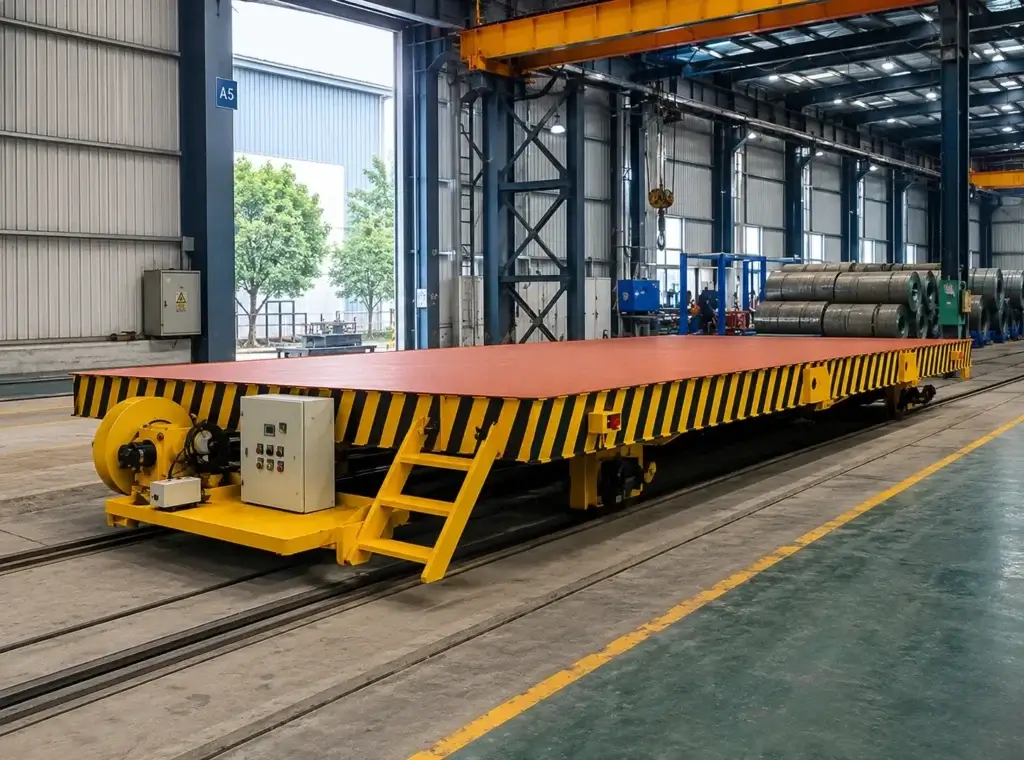
Moving heavy materials across a facility may seem simple until delays start to affect your workflow. A transfer car is an important part of many industrial manufacturing plants and plays a key role in smooth and organised operations. It is essential for transporting raw materials, machinery, and finished products between workshops, warehouses, and production lines. Any issues with the transfer car can slow down the entire process.
In Singapore’s busy industrial environments, transfer systems are constantly exposed to heavy loads, long operating hours, and demanding conditions. When small issues are left unaddressed, they can lead to bigger repairs, downtime, safety risks, and higher costs. A basic understanding of these issues can help you carry out efficient and reliable operations.
Track Misalignment and Uneven Floor Conditions
Your transfer car depends on smooth movement across rails or guided pathways. Even a small alignment problem can create major operational issues. If tracks change or floors are uneven, vibrations, unstable travel, or sudden stops may be observed during transfer operations.
Misalignment also puts additional strain on wheels, motors and bearings. Over time, wear will increase maintenance expenses and shorten the equipment’s lifespan. At some facilities, debris and dust collection can be an even greater problem, as it can impede easy travel along the track.
Overloading and Improper Material Handling
Every transfer car comes with a load limit for a reason. Overloading will put undue stress on the motor, braking system and structural parts. This frequently causes overheating, damage to the wheels, and insufficient control of movement.
Sometimes in industrial environments, the transfer operation must be rushed to save time. However, uneven loading or improper placement can create safety hazards and damage equipment. When transferring materials over turns or rough surfaces, items may shift.
Proper operator training makes a significant difference. When your team understands weight limits and proper handling procedures, you reduce wear and improve safety. Clear loading rules also help you maintain better ownership of your equipment condition over time.
You should also review your workflow regularly. If your transfer car handles heavier loads than before, you may need to upgrade the system to match your current operational needs.
Electrical and Power Supply Failures
Power issues remain one of the most common transfer car problems in industrial environments. Cable damage, battery wear, loose wiring, and unstable voltage can stop your operations without warning.
In facilities that run long shifts, transfer systems work almost nonstop. Constant use stresses the electrical system and increases the risk of electrical issues. But a step-by-step maintenance process can help your team spot issues early and prevent them from disrupting production.
Modern transfer car systems also include monitoring features that track power usage and equipment health. These systems will assist you in starting the transfer process safely and efficiently, minimising downtime.
Safety Risks in Busy Industrial Environments in Singapore
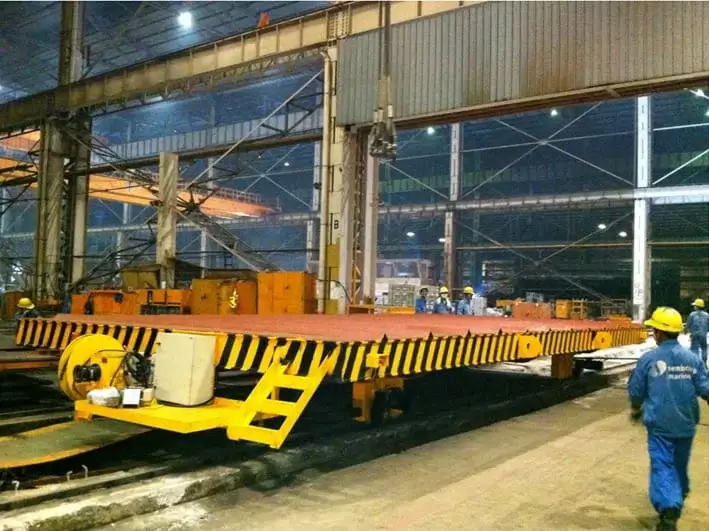
Industrial sites are kept busy day in and day out. Forklift trucks, cranes, employees and equipment are frequently located in the same area, and without proper safety precautions, transfer cars can pose a serious risk.
Collisions happen when visibility drops or operators lose focus. In some cases, workers may walk too close to moving equipment because they do not notice an incoming transfer car.
To improve safety, investing in sensors and alarms is the best approach. Automated controls also help minimise the risk of human error during vehicle transfer.
Training is as crucial as equipment upgrades. Knowing site rules and safety measures helps staff respond effectively in emergencies and creates a more structured workspace for everyone involved.
Many industrial units in Singapore follow strict workplace safety rules. It is better to comply than to face fines, and proactive action can help prevent operational disruptions and penalties.
Wear and Tear From Continuous Industrial Use
Heavy daily use naturally affects every transfer car system. Wheels, motors, and rails gradually wear down, and small mechanical issues can escalate into costly repairs if not addressed.
This is further intensified in harsh industrial conditions. Dust, moisture, heat and debris will affect equipment. Systems that run 24 hours a day wear out components sooner, since they don’t get much time off.
Preventive maintenance gives you better control over equipment health. When you replace worn parts early, you reduce repair costs and extend the lifespan of your transfer car ownership investment.
Proper service records and inspection schedules should also be maintained. This enables your team to document recurring problems and to schedule repairs in advance, before operations unexpectedly come to an end.
Keep Your Transfer Car in Great Condition
Transfer cars support smooth material handling across many industrial environments, but they also face constant operational pressure. If you don’t start early to address possible track alignment issues, overloading, electrical faults, safety issues, or equipment wear, you can suffer from workflow issues.
Implementing reliable safety measures and proper maintenance will contribute to higher productivity and fewer downtimes. Small improvements can make a significant difference.
At Jenmon, we specialise in assisting businesses in Singapore in creating more secure and dependable transfer systems for use in challenging industrial environments. If you need reliable transfer car solutions or expert support, our team is ready to help you keep your operations running efficiently.
